Home Construction Costs in Trinidad & Tobago
Building a home in Trinidad & Tobago is a major investment, and one of the most common questions homeowners ask is:
“How much will it really cost to build?”
The answer depends on far more than just square footage. Design, site conditions, materials, labour availability, approvals, and project management all play a role. This guide provides a realistic 2026 overview of residential construction costs in Trinidad & Tobago and explains what influences them.
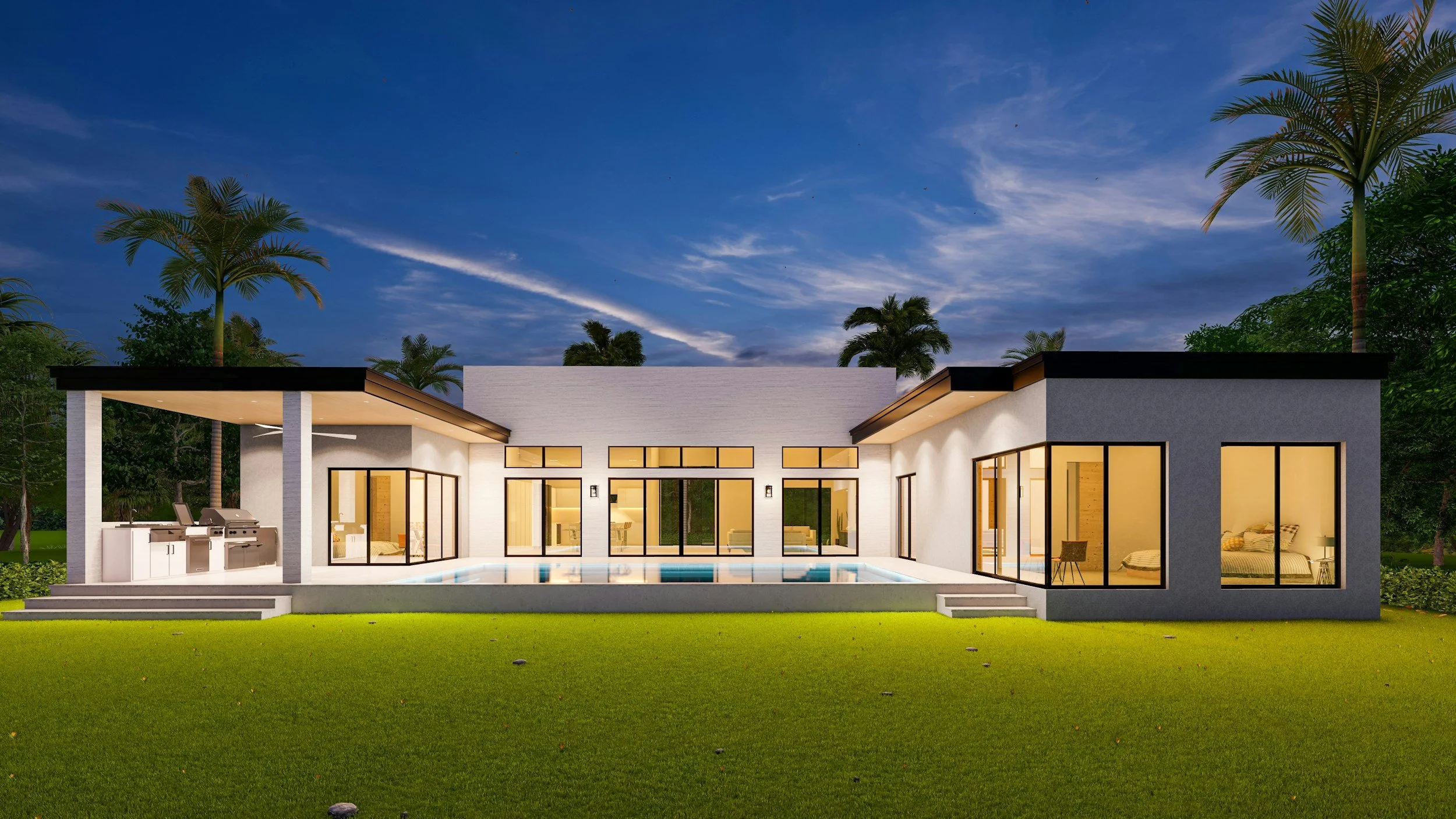
Average House Construction Cost in Trinidad & Tobago (2026)
In 2026, residential construction costs in Trinidad & Tobago generally range from TTD $400 to $850+ per square foot, depending on the level of finish and project complexity.
At TIDAL Construction Management & Procurement Limited, construction costs are typically grouped into the following categories:
Bare Build – from TTD $400 per sq ft
A bare build covers the structural construction up to roof level, including electrical and plumbing rough-ins. Finishes such as tiles, ceilings, doors, windows, cabinetry, fixtures, and painting are excluded.
This option is often chosen by clients who intend to complete finishes in phases or manage certain elements independently.
Standard Build – from TTD $575 per sq ft
A standard build includes functional layouts, quality finishes, and standard fixtures, making it the most common choice for single-family homes.
Typical inclusions:
Tiled floors
Standard aluminum windows and doors
Gypsum or PVC ceilings
Standard electrical and plumbing fixtures
Melamine cabinetry with stone countertops
Fully completed internal and external finishes
Luxury Build – from TTD $650 per sq ft
Luxury builds are designed for homeowners seeking upgraded finishes, enhanced detailing, and greater design cohesion.
This category often includes:
Premium tiles and finishes
Quartz or stone countertops
Custom cabinetry
Feature lighting and architectural details
Higher-end plumbing fixtures and fittings
Iconic Build – from TTD $850 per sq ft
Iconic homes represent the highest level of residential construction and are typically architect-led, bespoke designs.
These projects may include:
Custom façades and glazing
Large-format tiles or specialty flooring
Bespoke joinery and cabinetry
Designer lighting and fixtures
Smart-home ready infrastructure
High-end kitchens and bathrooms
What Affects Construction Costs in Trinidad & Tobago?
1. Site Conditions
Flat land is generally more economical to build on. Sloped or irregular sites often require:
Retaining walls
Piling or deep foundations
Additional drainage works
These factors can significantly increase construction costs before finishes are considered.
2. Materials and Imports
Many construction materials used locally are imported or rely on imported components, including:
Steel reinforcement
Roofing systems
Aluminum windows and doors
Electrical and plumbing materials
Shipping costs, foreign exchange pressure, and supplier pricing directly influence final construction costs.
3. Labour Availability
There is an ongoing shortage of skilled trades such as carpenters, steel fixers, electricians, and plumbers. To retain experienced labour and maintain quality, labour rates have increased and now form a larger portion of overall build costs.
4. Design Complexity
Simple layouts cost less to build. Complex designs with:
Multiple roof lines
Cantilevers
Large spans
Custom architectural features
require more time, materials, and coordination, increasing costs.
5. Compliance and Approvals
Residential construction today involves:
Town & Country approvals
Regional Corporation approvals
WASA and T&TEC coordination
Engineer inspections and certifications
These processes protect homeowners long-term but add time, professional fees, and coordination costs.
Construction Timeline Expectations
For a typical single-family home in Trinidad & Tobago:
Design and approvals: 3–6 months
Construction: 8–14 months
Weather conditions, site challenges, and design changes can extend timelines if not managed properly.
Why Square-Foot Rates Are Only a Starting Point
Square-foot rates are useful for early budgeting, but they are not fixed prices. Final construction costs depend on:
Final drawings and specifications
Site conditions
Material selections
Procurement strategy
Level of project management and supervision
A detailed estimate based on approved drawings is the only way to achieve cost certainty.
The Value of an EPC / Design-Build Approach
Under a traditional construction model, design, procurement, and construction are often handled separately. This can lead to cost overruns, delays, and scope gaps.
An EPC / Design-Build approach, such as that offered by TIDAL Construction Management & Procurement Limited, integrates:
Design coordination
Engineering
Procurement
Construction delivery
under a single point of responsibility. This structure improves cost control, reduces risk, and accelerates delivery.
Final Thoughts
Building a home in Trinidad & Tobago in 2026 requires realistic budgeting, early planning, and professional oversight. While construction costs have increased, they reflect higher standards, stricter compliance, and greater expectations for quality and durability.
The most successful projects are those where homeowners invest in proper planning and experienced project management from the outset.
With TIDAL, you are investing in a precision-engineered home with transparent pricing and no hidden costs, giving you clarity about the real house construction cost in Trinidad & Tobago from day one. Whether you're just beginning or already own land, we are ready to help you take the next step.